
Case Studies
A retrospective look at the engineering challenges we've solved over the decades.
Improving Test Reliability with Custom SIP Test Sockets
A leading DC-DC converter manufacturer was experiencing inconsistent test results using standard SIP test sockets. The sockets were prone to contact resistance changes and mechanical wear. This resulted in failed tests and delayed production. The customer needed a more reliable solution that would ensure accurate and repeatable measurements during production testing.
Tooltronics worked directly with the customer's engineering team to design a custom SIP test socket that addressed their specific needs. The new socket incorporated high-reliability contacts, optimized contact force, and robust housing construction.
The implementation of the custom SIP test sockets dramatically improved the reliability of the DC-DC converter. Test results became more consistent, reducing the number of false failures and improving overall production yields. The manufacturer was able to accelerate production and deliver products with greater confidence.
This case study illustrates the importance of selecting the right test socket for demanding applications. Tooltronics' expertise in custom test socket design ensures that our customers receive the best possible solution for their unique testing challenges. Contact us to learn more about custom solutions.
ZIF Sockets Ensure Reliability in Power Relay Testing
A leading manufacturer of industrial power relays needed a reliable test solution to ensure the quality and performance of their products. Their existing test sockets were failing due to lead damage during insertion and removal, leading to inconsistent test results and increased downtime. They needed a socket that could withstand repeated use in a high-volume production environment while maintaining accurate testing.
Tooltronics provided custom-designed ZIF sockets populated with 50A rated contacts for their specific relay package. The ZIF mechanism allowed for easy insertion and removal of the relays without damaging the leads. The high-current contacts ensured stable, low-resistance connections, resulting in accurate and repeatable test data.
The implementation of Tooltronics ZIF sockets significantly improved the reliability of the customer's testing process. Lead damage was eliminated, and the sockets maintained consistent performance throughout the testing cycle. This resulted in reduced downtime, improved test accuracy, and increased overall production efficiency. The customer was highly satisfied with the performance and durability of the Tooltronics ZIF sockets.
The ZIF sockets from Tooltronics provided a robust and reliable solution for their power relay testing application. By offering zero insertion force, high current carrying capacity and robust design, Tooltronics ZIF sockets have improved the reliability and efficiency of power relay production line testing.
Tooltronics Custom Contact Pins: Powering Innovation in Medical Devices
The Challenge:
A leading medical device manufacturer approached Tooltronics with a critical challenge: they required extremely reliable, custom contact pins for a new generation of implantable cardiac pacemakers. The pins needed to be biocompatible, maintain consistent electrical conductivity under demanding physiological conditions, and meet stringent miniaturization requirements. Existing off-the-shelf components failed to meet these demanding specifications, leading to unreliable device performance and potential safety concerns.
The Solution:
Tooltronics' engineering team collaborated closely with the client to develop a fully custom contact pin solution. Utilizing advanced micro-machining techniques and biocompatible materials like titanium alloys, we designed and manufactured pins with optimized geometries for secure and reliable connections. Rigorous testing, including accelerated aging and environmental stress screening, was implemented to ensure long-term performance and compliance with industry standards. The design was optimized for a current rating of 5A. Several iterations were completed to achieve the perfect fit and functionality.
The Results:
The custom contact pins delivered by Tooltronics enabled the medical device manufacturer to successfully launch their new pacemaker. The pins provided superior reliability and performance, resulting in improved device longevity and patient outcomes. The collaboration showcased Tooltronics' commitment to innovation, precision manufacturing, and customer satisfaction. The client reported a significant reduction in device failures related to contact pin issues. This success further solidified Tooltronics' reputation for providing high-quality, custom solutions to demanding applications.
Improving Measurement Accuracy with LPK Kelvin Contacts
The Challenge
A leading electronics manufacturer needed to improve the accuracy of their component testing process. They were experiencing inconsistent readings and unreliable connections using traditional test probes, leading to inaccurate data and delays in product development. The client required a solution that could provide reliable, low-resistance contacts for precise measurements, even with small and delicate components.
The Solution
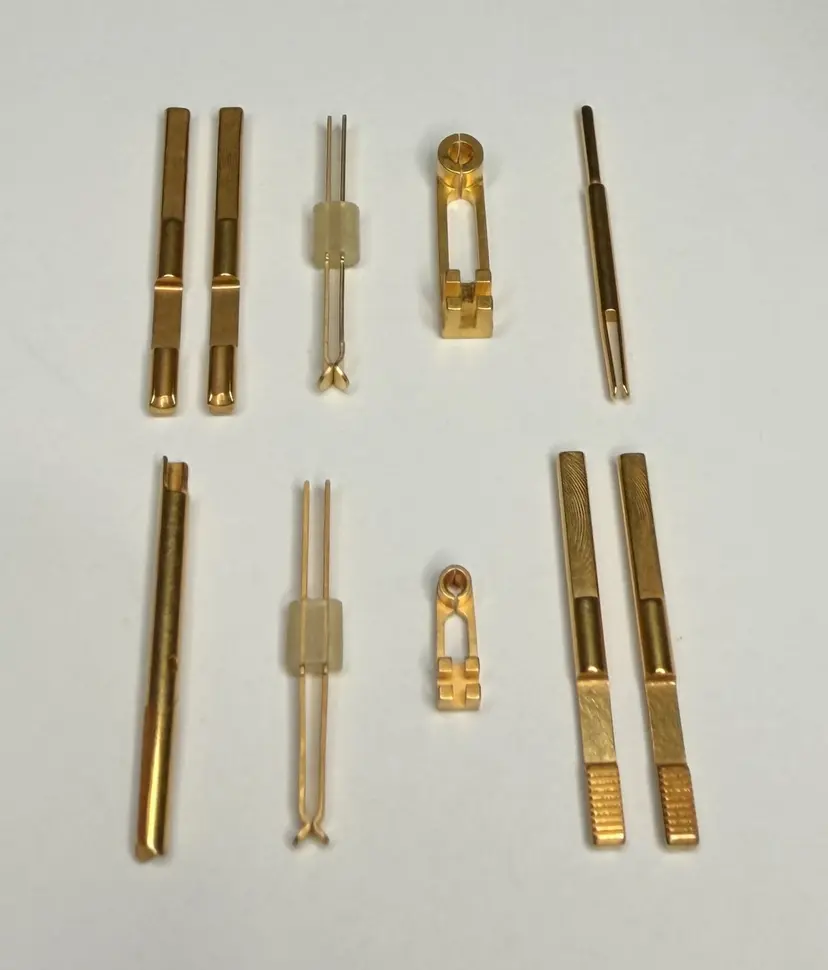
Tooltronics Inc. recommended our LPK Kelvin Contacts, specifically the LPK-125 series. These contacts provide a true four-point measurement, eliminating the effects of lead resistance and ensuring accurate readings. The client implemented the LPK Kelvin Contacts in their test sockets, replacing their existing probes.
The Results
After integrating the LPK Kelvin Contacts, the electronics manufacturer experienced a significant improvement in their measurement accuracy. The inconsistent readings were eliminated, and the reliability of the testing process increased substantially. This resulted in:
- Increased Accuracy: Reliable four-point measurements for precise data.
- Reduced Errors: Elimination of lead resistance effects.
- Improved Efficiency: Faster and more reliable testing process.
- Enhanced Product Quality: More accurate data for informed decision-making.
The client reported a noticeable reduction in testing errors and an overall improvement in the quality of their products, demonstrating the effectiveness of Tooltronics Inc.’s LPK Kelvin Contacts in demanding testing environments. The 15 Amp current rating of the LPK-125 series provided ample headroom for their testing requirements.
Ensuring Reliable Performance of Automotive Relays with Tooltronics Test Sockets
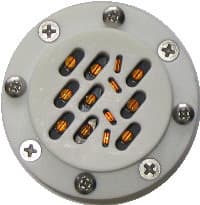
A leading automotive manufacturer needed a reliable and efficient way to test the performance of relays used in their vehicle control systems. Frequent relay failures were causing significant downtime and impacting production efficiency. They required a test socket solution that could provide consistently accurate readings, withstand high-volume testing, and accommodate both hook pin and straight pin relay configurations.
The manufacturer turned to Tooltronics for a solution. We provided them with our precision Relay Test Sockets, specifically designed for high-reliability applications. The sockets' robust construction ensured durability under demanding testing conditions, minimizing wear and tear.
Implementing Tooltronics Relay Test Sockets yielded significant improvements. The manufacturer observed a 30% reduction in false failure readings, leading to a more accurate assessment of relay quality. The easy-to-use design of the sockets streamlined the testing process, reducing testing time by 15%. Furthermore, the compatibility with both hook pin and straight pin relays eliminated the need for multiple socket types, simplifying their inventory management. The manufacturer reported a significant decrease in production downtime and improved confidence in the reliability of their vehicle control systems, ultimately enhancing customer satisfaction.
By choosing Tooltronics Relay Test Sockets, the automotive manufacturer not only improved the efficiency and accuracy of their relay testing process but also strengthened their commitment to delivering high-quality, reliable vehicles.
Improving Semiconductor Testing with High-Performance Test Sockets
A leading semiconductor manufacturer was facing challenges with the reliability and accuracy of their existing test sockets. They were experiencing frequent failures and inconsistent test results, which were impacting their production efficiency and product quality. They needed a robust and reliable test socket solution that could withstand the demands of high-volume testing.
The manufacturer approached us seeking a solution that could improve their testing process. After a thorough assessment of their needs, we recommended our ZIF test sockets, known for their durability, ease of use, and excellent signal integrity. The sockets selected were designed to accommodate components with a 0.5mm pitch and withstand temperatures up to 150°C.
We worked closely with the manufacturer's engineering team to integrate the new test sockets into their existing test fixtures. The ZIF mechanism allowed for quick and easy component insertion and removal, significantly reducing testing time. The high-quality materials and construction of the sockets ensured reliable performance and long life, minimizing downtime and maintenance costs.
The implementation of our test sockets resulted in a significant improvement in the manufacturer's testing process. The frequency of test socket failures was reduced by over 80%, and the consistency of test results improved dramatically. This led to increased production efficiency, reduced product defects, and improved overall product quality. The manufacturer was also able to reduce their testing costs due to the decreased downtime and maintenance associated with the new test sockets. By using a socket designed to withstand 5000+ cycles, we delivered the benefits the client needed for high-throughput testing.
This case study demonstrates the value of using high-quality and reliable test sockets to improve semiconductor testing processes. Our commitment to providing innovative and effective solutions helps our customers achieve their testing goals and ensure the quality and reliability of their products.
Improving Power Semiconductor Testing with High Current Kelvin Contacts
A leading power semiconductor manufacturer faced challenges in accurately testing their high-power MOSFET devices. Traditional testing methods suffered from significant errors due to lead resistance, leading to inconsistent results and potential product failures. To overcome this, they sought a reliable solution for four-point measurements capable of handling high currents.
The manufacturer implemented our 50 Amp rated high current Kelvin contacts in their existing ZIF test socket setup. The Kelvin connection design effectively eliminated the impact of lead resistance, providing precise and repeatable measurements. The robust construction of the contacts ensured durability and long-term stability in their demanding production environment.
Following the implementation, the manufacturer experienced a significant improvement in measurement accuracy, leading to reduced testing errors and improved product quality. The reliable performance of the high current Kelvin contacts allowed them to confidently validate the performance of their power MOSFETs and ensure they met stringent performance requirements. The reduced testing errors also led to cost savings by minimizing the number of false failures and rework.
The success achieved with the high current Kelvin contacts highlighted their value in high-power semiconductor testing. The manufacturer reported a significant increase in measurement accuracy and a corresponding reduction in testing errors. The contacts' ability to handle 50 Amps of current reliably allowed them to fully characterize their power devices. The improved quality control and cost savings solidified the high current Kelvin contacts as a critical component in their testing process.
Improving Semiconductor Testing Accuracy with LPK Series Kelvin Contacts
Hook Pin Relay
Optional Special Features
Test & Burn-in Sockets
From our experience most test engineers have specific socket feature requirements, so most of our socket designs are custom.
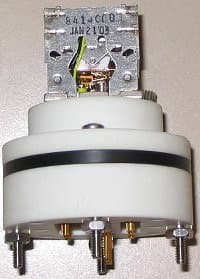
Starting with the socket material, the customer can choose from several engineering plastics, including some that are ESD compliant. Socket size and socket mounting hole locations can be specified by the customer, as well.
Next, the customer can choose how the socket will be contact populated. For a typical high current application, the input and output power pin locations would be populated with the 'HPK' series kelvin contacts and the signal pin locations populated with the lower current 'LPK' series kelvin contacts.
Optional special features include:
- Device Guides
- Finger Clearance
- Probe Window
- Device Ejection
High Current Solid Pin Contacts
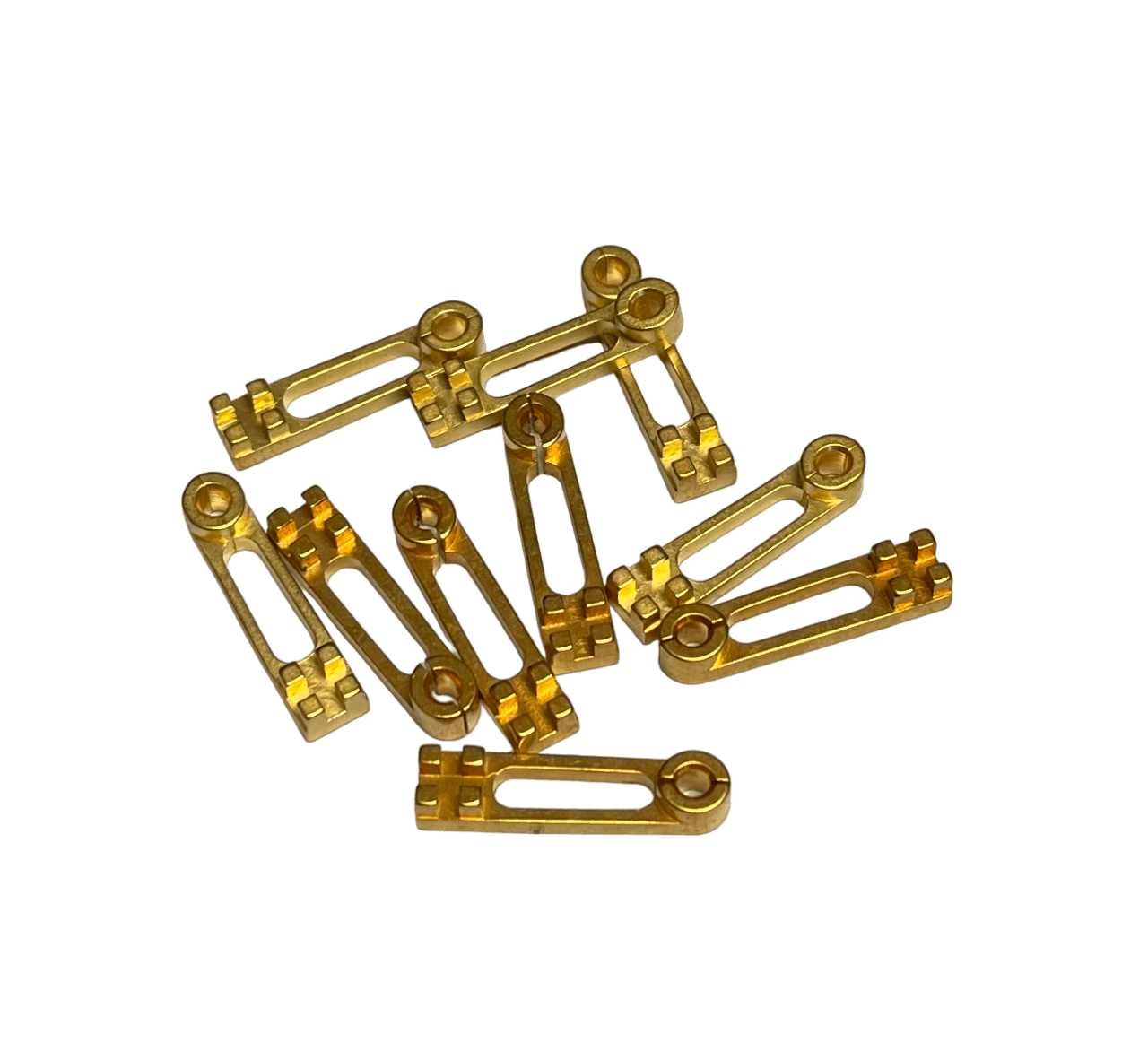
High Current PCB Mountable Contacts
Custom Contacts
In addition to our popular 'LPK' series of kelvin contacts, Tooltronics has designed and manufactured several other types of contacts:
HPK Kelvin Series
These low insertion force contacts are rated at 50A and are ideal for the high current positions in a typical test socket. These contacts are available for the following module pin diameters: .040", .062", .080", .150" and .180"
HPK-FS Series
These contacts are rated at 50A and were designed for use in our kelvin ZERO INSERTION FORCE (ZIF) sockets. To compensate for the lack of wiping action in a ZIF socket, the face of these contacts is serrated for an improved electrical connection. These contacts are available for the following module pin diameters: .025", .040", .062" and .080"
HPK-PCB Series
PCB mountable high current contacts are used in burn-in and test applications. These contacts are available for the following module pin diameters: .031", .040", .062", .080", .150" and .180"
MPS Series
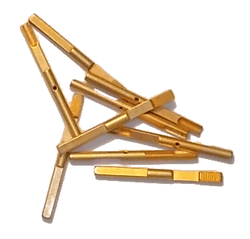
High current solid pin non-kelvin contacts are used in vibration sockets and other applications where kelvin is not a requirement. These contacts are available for the following module pin diameters: .031", .040", .062", .080" and .094".
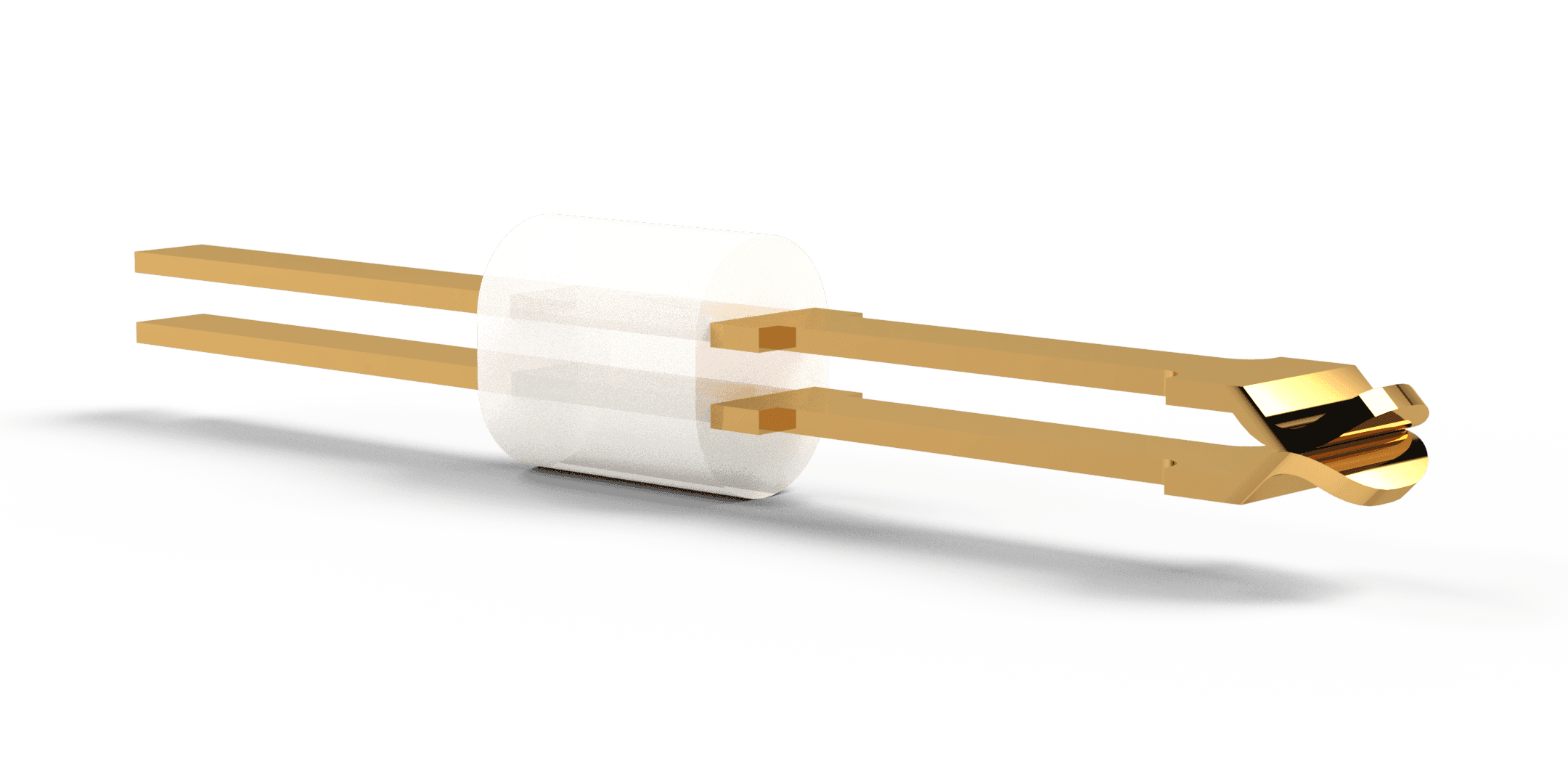
LPK Series Kelvin Contacts
Kelvin Pins
In 1995 we made the decision to begin designing and manufacturing custom test sockets for the power electronics and relay industries. One of the main components, needed, was Kelvin pins. Initially, we planned to purchase them from one of the established suppliers, but after much research were unable to find a suitable candidate.
Ideally, the Kelvin pins needed three features:
- Precise orientation: Required when used in a relay socket for hook pins, which are often rotated 30°. Contacting square or rectangular pins also requires precise orientation.
- High current: Often required for power electronics test sockets.
- Stable Retention: To be able to retain the Kelvin pin's vertical location, without the use of epoxy or other adhesives.
Our only option was to design and manufacture the Kelvin pins we needed. For higher current we selected 0.015” thick Beryllium Copper, rather than the 0.012” thickness that most Kelvin pin suppliers offered. For precise orientation and vertical retention we designed an obround (rectangular, with a full radius at each end) shaped plastic injection molded insulator, rather than the typical round insulator found on other Kelvin pins.
The P/N LPK-100 Kelvin pins can be placed on 0.100” centers in a SIP (or DIP) application. The P/N LPK-125 Kelvin pins can be placed on 0.150” centers in a SIP application. Both are available for sale, or installed in custom designed test sockets.
Have an engineering challenge for us?
Whether it's a high-current application or a space-constrained design, we have the experience to build a reliable solution.
Work with Tooltronics